
 Today I’ve been working on what will likely be the last painting I create at my Art Residency at Chateau Orquevaux. As I painted, the last in what has become a connected series, I began to examine why it was important for me to do such a thing. Here they are, in order of importance for me.
1. Connection
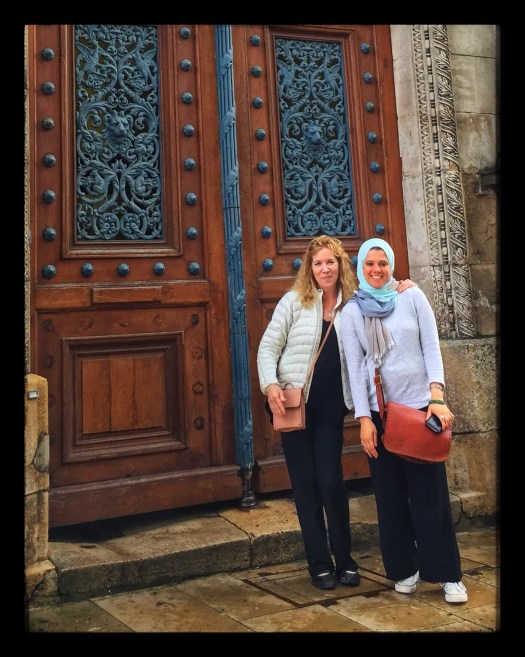
I’ve been painting in relative isolation for the past years, in my home studio, and loving it. I realize now that I applied for the residency not just for the place to paint but for connection with like minded people. I love the artists I’ve met; they are my extended family. We share ideas, philosophies, dreams, and aspirations easily and without judgement. We see the world as possibility in colour, shape, line, texture and design. Picasso’s wordless book of bridesmaids has a storyline we can interpret easily together. Between us, there is only support and sharing, competition just isn’t a thing here. We laugh together when we could be crying and we cry together when we could be laughing. Everyone here is whole and rich and perfect because that’s what we notice about each other first and foremost. We just generally get each other.
Having a tribe, a tribe that I’ve lived communally with for a month, that I’ve shared meals and wine with and created with, who come from all over the world, who are a variety of ages, who have distinctly different styles and experiences, who came with the same awe and excitement I came with, who have the same reverence for art and creating, well, that’s as golden as it gets in the work world. And yes, making art, creating, is work. Important work. Valuable work. The French get that. Connection is belonging.
2. Learning

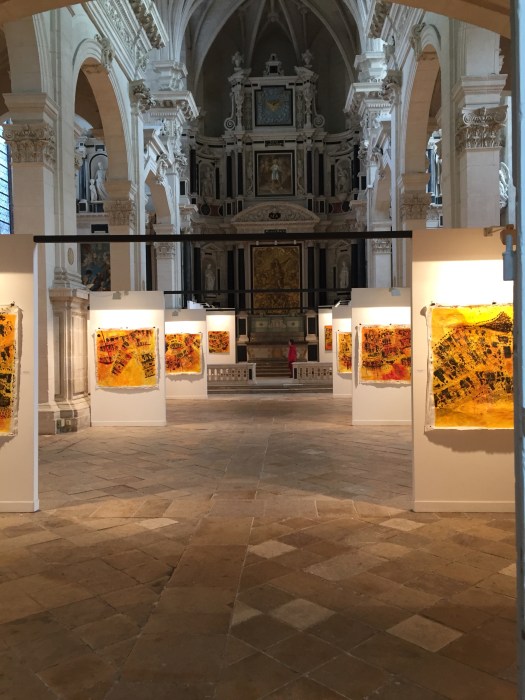
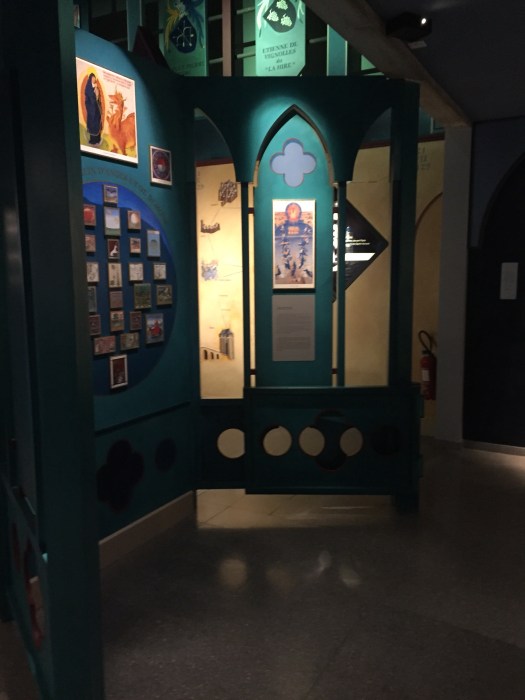
I’ve loved the studio spaces just above the bedrooms, the rhythm of each artist’s working days, and the chats about creations and processes when studio doors are open. Learning is one of my drivers. When I’m learning, I feel alive. Yesterday, I found out about the brute art movement in broken English. My heart was filling up as I listened. I’d already viewed the exhibit. I knew how it made me feel. Yes, I feel art. At lunch today, while articulating how my painting morning was going, I generally like to paint uninterrupted from 9:00-2:00, I understood how much more exhausting it is for me to paint a series than it is to paint completely intuitively. Intentional painting, for me is less enjoyable. My bucket gets filled when I feel free. April, a writer in residence, understood this feeling and expressed how she noticed it come up for her in her practice as well. Having an opportunity to discuss our inner observations really helped me to consider freedom as one of my basic human needs even beyond art.
3. Change
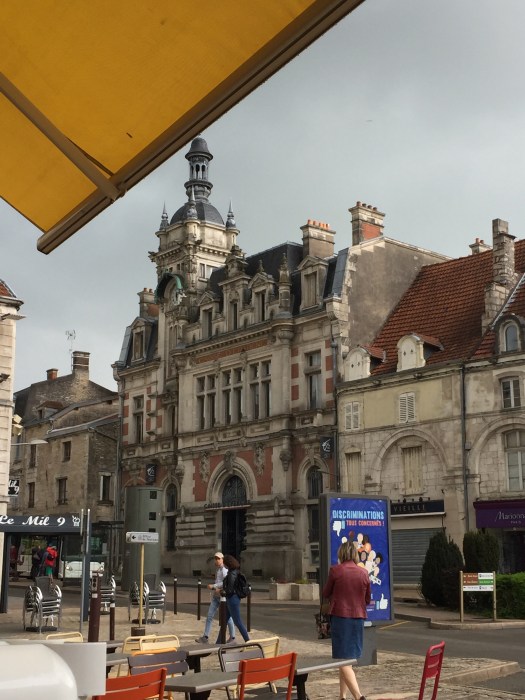


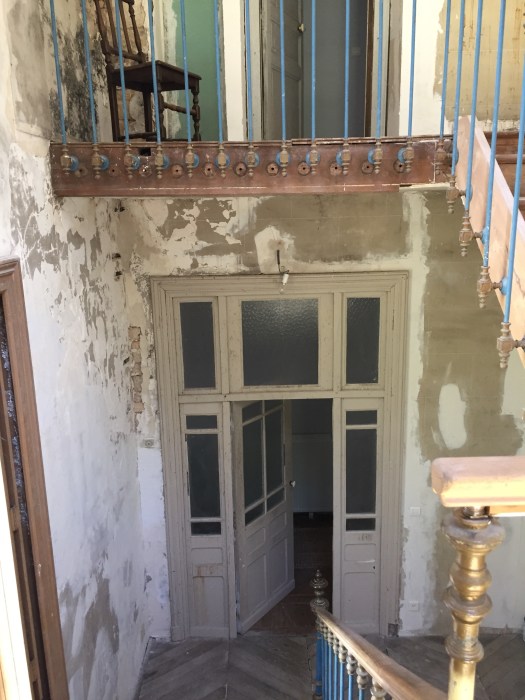
I have new rituals that I will integrate into my home practice. Eating breakfast, slowly, as well as drinking coffee every morning, is going to happen everyday even without the croissants. I will put more attention into line and into learning about the New York art scene and emerging artists. Opening my home to artist gatherings and work stays will be on my radar. A residency or two every year will become a regular part of who I am and what I do.
4. Joy

I always say, gratitude paves the road to joy. I feel it here x’s 10. This place, Orquevaux, is beautiful. Discovering it and each other; I am so grateful. This is magic and coincidence at its very best! Thank you Ziggy Attias, for your vision and your invitation.
 Sherri Jean McCulloch